
READY MAO 1577 Why Do Window Screens Still Look Filthy After You Clean Them?
You finish rinsing the window screens, step back, and somehow they still look dusty and blotchy. Sunlight hits the mesh, and every streak, speck, and dull patch suddenly stands out again, making the windows look neglected even though you just spent time cleaning them.
Many homeowners run into the same frustration. The screens looked cleaner while they were wet, but once they dried, the grime returned as nothing changed. That moment makes people wonder if cleaning the screens even worked at all.
Why Screens Hold More Dirt Than You Expect
Window screens may look like simple mesh panels, but they trap far more debris than homeowners realize. The tiny openings in the mesh act as a filter, catching pollen, dust, airborne pollutants, and organic particles year-round. Those contaminants gradually build up inside the weave rather than sitting loosely on the surface.
Rain and humidity make the problem worse because moisture causes debris to cling to the screen fibers. Once the particles stick inside the mesh, rinsing the surface only removes the top layer of dirt. The deeper buildup remains embedded within the screen material and becomes visible again when the screen dries.
Screen cleaning works best when it removes the debris trapped inside the mesh rather than just rinsing the outer surface. Clearing the fine particles allows air and light to pass through the screen properly again. Without deeper cleaning, the same residue continues to block the mesh and make the screens appear permanently dirty.
Why Wet Screens Always Look Cleaner At First
A common complaint homeowners express involves how clean the screens appear while wet. Water temporarily fills the tiny openings in the mesh, smoothing the surface. That thin layer of moisture hides dust and other residues still trapped in the material.
As the water evaporates, those hidden particles reappear. Sunlight shining through the window often highlights the dust even more clearly once the screen dries. The contrast between the wet and dry appearance can make it feel like the cleaning effort accomplished very little.
Screen cleaning that removes buildup from the fibers prevents that misleading effect. Once the debris is fully cleared away, the screen dries evenly without revealing dusty patches. A properly cleaned screen maintains a clearer appearance both wet and dry.
Why Pollen And Airborne Dust Keep Coming Back
Many homeowners ask why their screens look dusty again, only days after cleaning them. Outdoor air constantly carries pollen, dust, and microscopic particles that settle onto surfaces. Window screens sit directly in that airflow, which means they collect debris faster than most exterior surfaces.
During spring and early summer, pollen becomes one of the biggest contributors to dirty screens. The fine grains stick readily to the mesh and accumulate in the frame’s corners. Even light breezes can carry additional pollen onto the screen shortly after cleaning.
Screen cleaning removes the existing buildup so fresh debris does not attach as easily. A clean mesh surface allows air to flow more freely, preventing particles from immediately being trapped. Maintaining clear screens reduces the rapid accumulation that makes them look dusty again.
Why Screens Develop A Gray Film Over Time
Many screens gradually develop a dull gray appearance that remains even after rinsing. That discoloration often forms from a mixture of dust, pollution residue, and organic matter bonding to the screen fibers. Over time, the buildup becomes compacted and harder to remove.
Air pollution from nearby roads, fireplaces, or industrial areas contributes to the formation of the film. Tiny particles settle on the mesh and mix with moisture from rain or humidity. The combination creates a thin coating that dulls the screen’s appearance.
Screen cleaning breaks apart that compacted film and clears the mesh openings. Removing the buildup restores the screen material’s original color. Clear screens allow more natural light into the home and improve the appearance of the windows.
What Most Homeowners Get Wrong About Cleaning Screens
One common mistake homeowners make is assuming a quick spray from a hose will thoroughly clean window screens. While water removes loose dirt, it rarely reaches debris trapped inside the mesh fibers. The result is a screen that looks slightly improved but still appears dusty once dry.
Another misunderstanding involves using harsh scrubbing tools. Aggressive brushing can push dirt deeper into the mesh rather than removing it. In some cases, it can even bend the screen frame or damage delicate screen material.
Screen cleaning works best when the debris is loosened and lifted out of the mesh. Proper cleaning techniques clear particles without damaging the screen structure. Once the embedded dirt is removed, the screen becomes noticeably clearer and brighter.
Why Screens Around Landscaping Get Dirtier Faster
Homes surrounded by landscaping often experience faster screen buildup. Grass clippings, soil particles, and plant residue easily become airborne during yard maintenance. Those particles travel through the air and settle on nearby window screens.
Watering systems and garden hoses also contribute to the issue. Moisture from irrigation can splash soil or organic debris onto the screens. Once those materials dry, they leave behind visible spots and dusty residue.
Screen cleaning removes the combination of dirt and organic material that accumulates in those environments. Regular maintenance helps keep the screens clear, even when landscaping activity increases the amount of airborne debris around the house.
How Insects And Spider Webs Affect Screen Appearance
Insects and spiders frequently use window screens as convenient resting spots. Spider webs often form along screen corners and edges where frames meet the wall. Over time, those webs collect dust and debris, making the screens look dirty.
Insects themselves can leave residue on the mesh. Tiny marks from insects or nesting material may stick to the screen fibers. Rainwater then spreads the residue across the mesh, making it more visible.
Screen cleaning removes those materials before they accumulate in large amounts. Clearing insect residue and web debris restores the screen’s transparency. Clean screens improve both airflow and the clarity of the view through the window.
Why Dirty Screens Make Windows Look Cloudy
Homeowners often assume cloudy windows need glass cleaning, but the real problem sometimes lies in the screen. Dirt covering the mesh blocks light before it reaches the glass. That layer of debris makes the window appear dim or hazy even if the glass itself is clean.
Sunlight shining through the screen can exaggerate the effect. Dust trapped in the mesh casts tiny shadows across the glass, creating the appearance of streaks or smudges. The window never looks truly clear while the screen remains dirty.
Screen cleaning restores the brightness of the entire window system. Removing the buildup allows more light to pass through the mesh and onto the glass. Clear screens help windows look cleaner and brighter from both inside and outside the home.
How Professional Cleaning Improves Screen Clarity
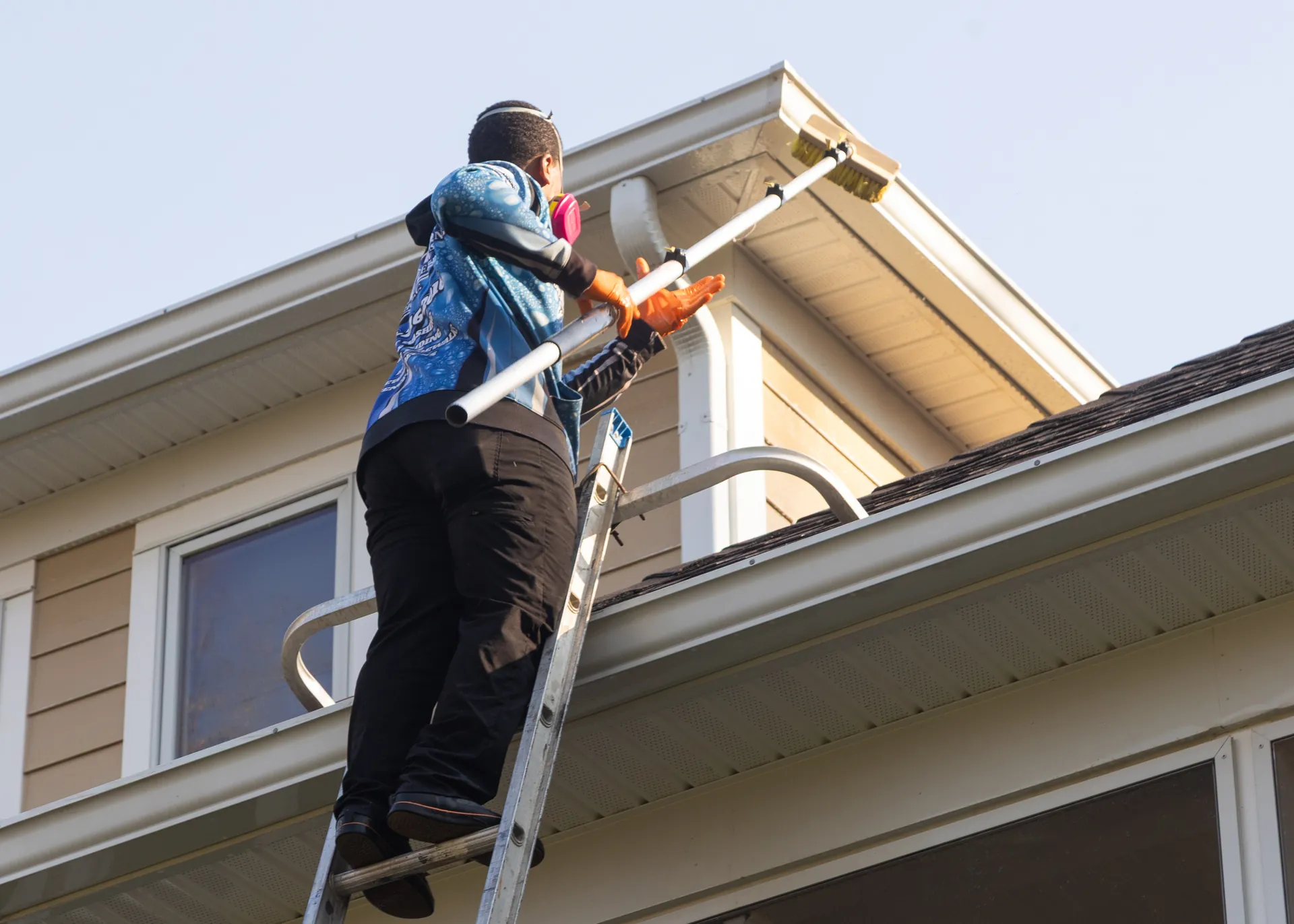
Professional services such as Superior Power Washing approach screen cleaning with equipment designed specifically for delicate mesh materials. Technicians remove screens carefully and clean them using controlled water pressure and specialized techniques. That approach prevents damage while still removing stubborn buildup trapped inside the fibers.
Many homeowners find it difficult to clean screens thoroughly while they remain installed in the window frame. Removing them allows better access to both sides of the mesh and the frame edges where debris collects. Professional tools also help rinse contaminants completely, rather than redistributing them.
Once the screens are properly cleaned, the difference becomes noticeable immediately. The mesh appears lighter, airflow improves, and sunlight enters the home more clearly. Well-maintained screens contribute to brighter rooms and a cleaner overall exterior appearance.
When Clean Screens Change The Look Of Your Windows
After thorough cleaning, many homeowners notice their windows suddenly look brighter without replacing any glass. Removing the debris from the screen allows natural light to enter the room more freely. The view through the window becomes clearer because the mesh no longer blocks visibility.
Clean screens also improve curb appeal from outside the home. Dusty screens often create the impression that the entire window system is dirty. Once the screens are clear, the windows look sharper, and the home’s exterior appears better maintained.
Regular screen cleaning keeps the mesh functioning properly and preserves its appearance. Clear screens allow fresh air, sunlight, and visibility to pass through easily. Maintaining them helps the entire window system perform and look better year-round.
FAQs
Why do window screens still look dirty after rinsing them? Rinsing often removes only surface debris. Dust, pollen, and pollution particles remain trapped inside the mesh fibers. Once the screen dries, those particles become visible again.
How often should window screens be cleaned? Most homes benefit from screen cleaning at least once or twice per year. Homes near trees, landscaping, or busy roads may require more frequent cleaning because airborne debris accumulates faster.
Can dirty screens affect indoor air and light? Yes. Dust and debris trapped in the mesh can reduce airflow and block natural light entering through the window. Cleaning the screens helps restore proper ventilation and brightness.
Is it safe to pressure wash window screens? High pressure can damage delicate screen material. Professional cleaning methods use controlled pressure designed to remove debris without bending frames or tearing the mesh.
Why do my windows look cloudy even after cleaning the glass? Dirty screens often cause that effect. Dust and residue on the mesh block light before it reaches the glass. Cleaning the screens usually makes the windows appear clearer immediately.
Why Do Window Screens Still Look Filthy After You Clean Them?
You finish rinsing the window screens, step back, and somehow they still look dusty and blotchy. Sunlight hits the mesh and every streak, speck, and dull patch suddenly stands out again, making the windows look neglected even though you just spent time cleaning them.
Many homeowners run into the same frustration. The screens looked cleaner while they were wet, but once they dried the grime returned like nothing changed. That moment makes people wonder if cleaning the screens even worked at all.
Why Screens Hold More Dirt Than You Expect
Window screens may look like simple mesh panels, but they trap far more debris than homeowners realize. The tiny openings in the mesh act like a filter that catches pollen, dust, airborne pollution, and organic particles throughout the year. Those contaminants gradually build up inside the weave rather than sitting loosely on the surface.
Rain and humidity make the problem worse because moisture causes debris to cling to the screen fibers. Once the particles stick inside the mesh, rinsing the surface only removes the top layer of dirt. The deeper buildup remains embedded within the screen material and becomes visible again when the screen dries.
Screen cleaning works best when it removes the debris trapped inside the mesh rather than just rinsing the outer surface. Clearing the fine particles allows air and light to pass through the screen properly again. Without deeper cleaning, the same residue continues blocking the mesh and making the screens appear permanently dirty.
Why Wet Screens Always Look Cleaner At First
A common complaint homeowners express involves how clean the screens appear while wet. Water temporarily fills the tiny openings in the mesh and smooths the appearance of the surface. That thin layer of moisture hides dust and residue that are still trapped in the material.
As the water evaporates, those hidden particles reappear. Sunlight shining through the window often highlights the dust even more clearly once the screen dries. The contrast between the wet and dry appearance can make it feel like the cleaning effort accomplished very little.
Screen cleaning that removes buildup from the fibers prevents that misleading effect. Once the debris is fully cleared away, the screen dries evenly without revealing dusty patches. A properly cleaned screen maintains a clearer appearance both wet and dry.
Why Pollen And Airborne Dust Keep Coming Back
Many homeowners ask why their screens look dusty again only days after cleaning them. Outdoor air constantly carries pollen, dust, and microscopic particles that settle onto surfaces. Window screens sit directly in that airflow, which means they collect debris faster than most exterior surfaces.
During spring and early summer, pollen becomes one of the biggest contributors to dirty screens. The fine grains stick easily to the mesh and accumulate in corners of the frame. Even light breezes can carry additional pollen onto the screen shortly after cleaning.
Screen cleaning removes the existing buildup so fresh debris does not attach as easily. A clean mesh surface allows air to flow through more freely without trapping particles immediately. Maintaining clear screens reduces the rapid accumulation that makes them look dusty again.
Why Screens Develop A Gray Film Over Time
Many screens gradually develop a dull gray appearance that remains even after rinsing. That discoloration often forms from a mixture of dust, pollution residue, and organic matter bonding to the screen fibers. Over time the buildup becomes compacted and harder to remove.
Air pollution from nearby roads, fireplaces, or industrial areas contributes to the film. Tiny particles settle on the mesh and mix with moisture from rain or humidity. The combination creates a thin coating that dulls the appearance of the screen.
Screen cleaning breaks apart that compacted film and clears the mesh openings. Removing the buildup restores the original color of the screen material. Clear screens allow more natural light into the home and improve the appearance of the windows.
What Most Homeowners Get Wrong About Cleaning Screens
One common mistake homeowners make is assuming a quick spray from a hose will clean window screens thoroughly. While water removes loose dirt, it rarely reaches debris trapped inside the mesh fibers. The result is a screen that looks slightly improved but still appears dusty once dry.
Another misunderstanding involves using harsh scrubbing tools. Aggressive brushing can push dirt deeper into the mesh rather than removing it. In some cases it can even bend the screen frame or damage delicate screen material.
Screen cleaning works best when the debris is loosened and lifted out of the mesh. Proper cleaning techniques clear particles without damaging the screen structure. Once the embedded dirt is removed, the screen becomes noticeably clearer and brighter.
Why Screens Around Landscaping Get Dirtier Faster
Homes surrounded by landscaping often experience faster screen buildup. Grass clippings, soil particles, and plant residue easily become airborne during yard maintenance. Those particles travel through the air and settle on nearby window screens.
Watering systems and garden hoses also contribute to the issue. Moisture from irrigation can splash soil or organic debris onto the screens. Once those materials dry, they leave behind visible spots and dusty residue.
Screen cleaning removes the combination of dirt and organic material that accumulates in those environments. Regular maintenance helps keep the screens clear even when landscaping activity increases airborne debris around the house.
How Insects And Spider Webs Affect Screen Appearance
Insects and spiders frequently use window screens as convenient resting spots. Spider webs often form along screen corners and edges where frames meet the wall. Over time those webs collect dust and debris that make the screens look dirty.
Insects themselves can leave residue on the mesh. Tiny marks from insects or nesting material may stick to the screen fibers. Rainwater then spreads the residue across the mesh and makes it more visible.
Screen cleaning removes those materials before they accumulate heavily. Clearing insect residue and web debris restores the transparency of the screen. Clean screens improve both airflow and the clarity of the view through the window.
Why Dirty Screens Make Windows Look Cloudy
Homeowners often assume cloudy windows need glass cleaning, but the real problem sometimes lies in the screen. Dirt covering the mesh blocks light before it reaches the glass. That layer of debris makes the window appear dim or hazy even if the glass itself is clean.
Sunlight shining through the screen can exaggerate the effect. Dust trapped in the mesh casts tiny shadows across the glass and creates the appearance of streaks or smudges. The window never looks truly clear while the screen remains dirty.
Screen cleaning restores the brightness of the entire window system. Removing the buildup allows more light to pass through the mesh and onto the glass. Clear screens help windows look cleaner and brighter from both inside and outside the home.
How Professional Cleaning Improves Screen Clarity
Professional services such as Superior Power Washing approach screen cleaning with equipment designed specifically for delicate mesh materials. Technicians remove screens carefully and clean them using controlled water pressure and specialized techniques. That approach prevents damage while still removing stubborn buildup trapped inside the fibers.
Many homeowners find it difficult to clean screens thoroughly while they remain installed in the window frame. Removing them allows better access to both sides of the mesh and the frame edges where debris collects. Professional tools also help rinse contaminants away completely instead of redistributing them.
Once the screens are properly cleaned, the difference becomes noticeable immediately. The mesh appears lighter, airflow improves, and sunlight enters the home more clearly. Well maintained screens contribute to brighter rooms and a cleaner overall appearance for the exterior of the house.
When Clean Screens Change The Look Of Your Windows
After thorough cleaning, many homeowners notice their windows suddenly look brighter without replacing any glass. Removing the debris from the screen allows natural light to enter the room more freely. The view through the window becomes clearer because the mesh no longer blocks visibility.
Clean screens also improve curb appeal from outside the home. Dusty screens often create the impression that the entire window system is dirty. Once the screens are clear, the windows look sharper and the exterior of the home appears better maintained.
Regular screen cleaning keeps the mesh functioning properly and preserves its appearance. Clear screens allow fresh air, sunlight, and visibility to pass through easily. Maintaining them helps the entire window system perform and look better throughout the year.
FAQs
Why do window screens still look dirty after rinsing them?
Rinsing often removes only surface debris. Dust, pollen, and pollution particles remain trapped inside the mesh fibers. Once the screen dries, those particles become visible again.
How often should window screens be cleaned?
Most homes benefit from screen cleaning at least once or twice per year. Homes near trees, landscaping, or busy roads may require more frequent cleaning because airborne debris accumulates faster.
Can dirty screens affect indoor air and light?
Yes. Dust and debris trapped in the mesh can reduce airflow and block natural light entering through the window. Cleaning the screens helps restore proper ventilation and brightness.
Is it safe to pressure wash window screens?
High pressure can damage delicate screen material. Professional cleaning methods use controlled pressure designed to remove debris without bending frames or tearing the mesh.
Why do my windows look cloudy even after cleaning the glass?
Dirty screens often cause that effect. Dust and residue on the mesh block light before it reaches the glass. Cleaning the screens usually makes the windows appear clearer immediately.