READY MAO 1620 What Happens When Moss Starts Growing On Brick Exterior Walls
You notice a little green patch creeping across the brick near the downspout, and at first, it almost looks harmless. A few months later, the same wall feels damp, the mortar looks darker, and that small patch has turned into a spreading carpet of moss, making the whole side of the house look neglected.
Many homeowners assume moss growing on brick is just a cosmetic nuisance. The bigger problem is what that moss quietly holds against the wall day after day. Brick naturally absorbs moisture, and when moss traps water against the surface, it can lead to discoloration, weakened mortar, and long-term structural wear. Brick exterior cleaning becomes more important once moss appears because the growth rarely stays small once the right conditions allow it to spread.
Why Moss Loves Brick Walls More Than You Think
Brick creates an environment that moss finds surprisingly comfortable. The surface of brick and mortar contains tiny pores that hold moisture after rain or morning dew. Those pores provide exactly the damp conditions that moss needs to grow. Once spores land on the wall, the plant can anchor itself inside those small surface spaces and begin spreading slowly outward.
Many homeowners first notice moss forming in shaded areas of the house. Walls that face north, areas behind landscaping, or sections beneath rooflines often stay damp longer than other parts of the exterior. Moss thrives in those locations because sunlight and airflow remain limited. Over time, the green patches expand across the brick surface, gradually forming thicker growth that becomes more noticeable from the yard.
Brick exterior cleaning removes moss before the growth becomes deeply established. Cleaning also removes the organic debris and moisture residue that feed moss colonies. Once those materials are gone, the environment becomes far less inviting to new growth.
What Happens When Moss Stays On Brick Too Long
Many homeowners assume moss only affects how the wall looks. In reality, the bigger issue involves moisture retention. Moss acts like a sponge, trapping water on the surface of the brick. Every time rain falls or condensation forms, the moss absorbs the moisture and holds it against the wall for extended periods.
Brick and mortar absorb water naturally, but they also rely on evaporation to dry out. When moss covers the surface, evaporation slows dramatically. The trapped moisture gradually penetrates deeper into the masonry. Over time, that process can darken the brick, weaken mortar joints, and create conditions where mold or mildew may develop along the wall.
Brick exterior cleaning removes the moss layer that traps moisture against the structure. Once the surface becomes clear again, the brick can dry normally after rain. Removing the growth also prevents moss roots from spreading further into the masonry’s small crevices.
Why Moss Keeps Returning To The Same Areas
Homeowners often notice moss recurring in the same areas of the house. The pattern usually comes down to moisture and shade. Moss spores constantly travel through the air, but they only grow where conditions remain consistently damp.
Areas behind shrubs or trees frequently develop moss first because the vegetation blocks sunlight and reduces airflow. Downspout areas can also attract moss when small amounts of water splash against the wall regularly. Even narrow roof overhangs may create shaded zones where moisture lingers longer after rain.
Brick exterior cleaning removes the visible moss, but understanding why the growth appeared in the first place helps prevent future buildup. Trimming nearby branches, improving drainage, or allowing more sunlight to reach the wall often reduces the chances of moss returning quickly.
The Hidden Mortar Damage Many Homeowners Miss
When moss spreads across brick walls, the green patches often hide early changes happening in the mortar joints. Mortar contains softer materials than the brick itself, which makes it more vulnerable to constant moisture exposure.
As moss traps water along the wall, mortar joints remain damp longer than they should. That prolonged moisture gradually weakens the bonding materials holding the masonry together. Small cracks or crumbling sections may begin forming along the joints without homeowners noticing them right away.
Brick exterior cleaning removes moss, revealing the condition of the mortar again. Once the growth disappears, homeowners can see whether the mortar remains intact or if minor repairs are needed. Catching those early signs of wear prevents small problems from developing into larger masonry repairs later.
The Pressure Washing Shortcut That Can Damage Brick
When moss begins spreading across a brick wall, many homeowners immediately think about blasting it away with a pressure washer. While strong pressure might quickly remove the visible growth, that approach often creates new problems for the masonry.
High pressure can erode mortar joints and force water deep into the brick surface. Once water penetrates those materials, it may remain trapped inside the wall structure. Repeated exposure to pressure washing can also roughen the brick’s surface, making it easier for moss and algae to reattach in the future.
Brick exterior cleaning works best when performed with cleaning solutions designed to break down organic growth. Low-pressure rinsing then removes the loosened moss without harming the masonry. That process eliminates the biological growth while protecting the integrity of the brick and mortar.
Why Moss Often Appears After Wet Seasons
Weather patterns influence how quickly moss develops on brick walls. Periods of frequent rain, cloudy conditions, or high humidity create ideal environments for moss growth. The longer moisture remains on exterior surfaces, the more opportunities moss spores have to establish themselves.
Homes located near wooded areas often experience faster moss growth because nearby trees provide both shade and organic debris. Falling leaves and pollen create additional nutrients that help moss colonies expand. When those materials collect along damp brick surfaces, the growth cycle accelerates.
Brick exterior cleaning removes moss along with the organic matter that feeds it. Clearing those materials away interrupts the conditions that support growth. After the wall dries and is again exposed to air circulation, the environment becomes less suitable for moss growth.
What Most Homeowners Get Wrong About Moss On Brick
One common misunderstanding involves assuming moss simply grows on top of the brick without affecting the structure beneath it. Moss actually attaches itself firmly to the surface through tiny root-like structures that anchor into small crevices of the masonry.
Those attachments keep moss in place even during rain or wind. As the growth thickens, it traps additional debris and moisture against the wall. Over time, the buildup can create dark staining on the brick surface that becomes difficult to remove if left untreated for several years.
Brick exterior cleaning removes moss before stains set in deeply. Once the biological growth disappears, the brick regains its natural color and texture. Removing the moss early prevents the long-term discoloration homeowners often notice when growth has remained on the wall for extended periods.
When Moss Starts Affecting The Whole Exterior Appearance
A small patch of moss may not seem like a major issue at first. Over time, the green growth tends to expand outward across the brick surface. Once the moss spreads along mortar joints and across multiple bricks, the wall begins looking uneven and neglected.
Curb appeal changes quickly when moss becomes visible from the driveway or street. Darkened brick, green patches, and damp-looking mortar can make an otherwise well-maintained house appear older or poorly cared for. Many homeowners notice that once moss becomes visible in one area, similar patches begin appearing elsewhere around the exterior.
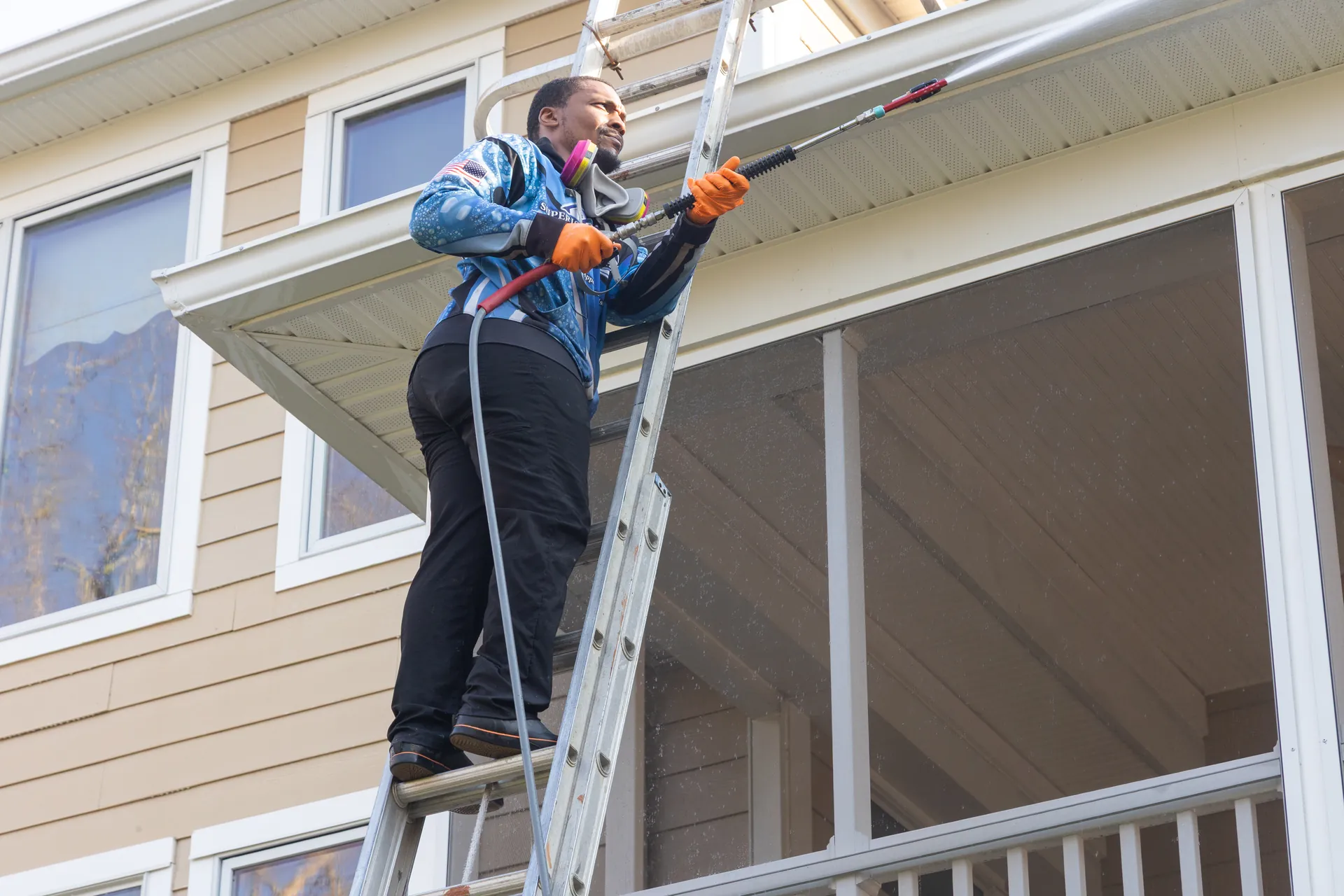
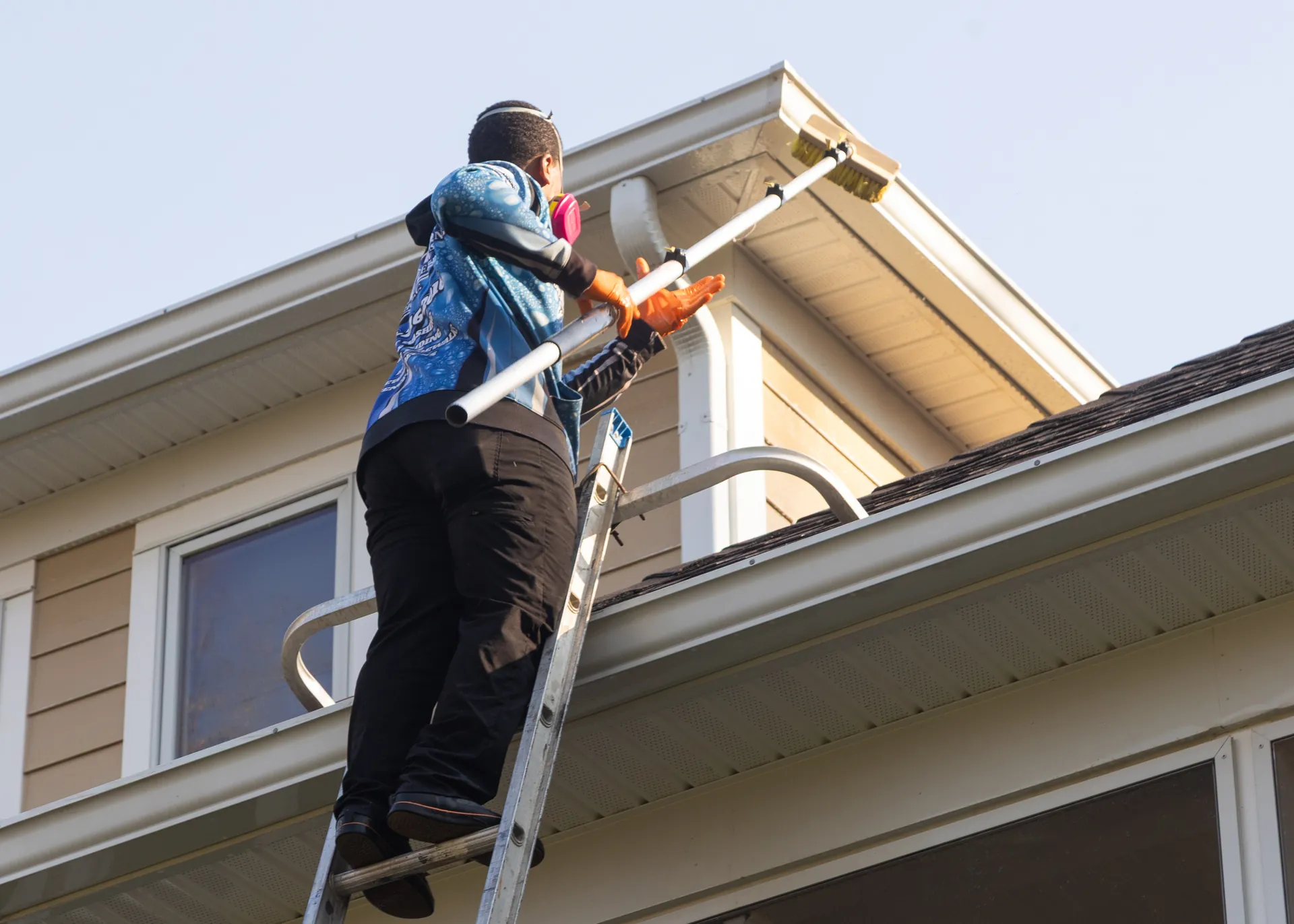
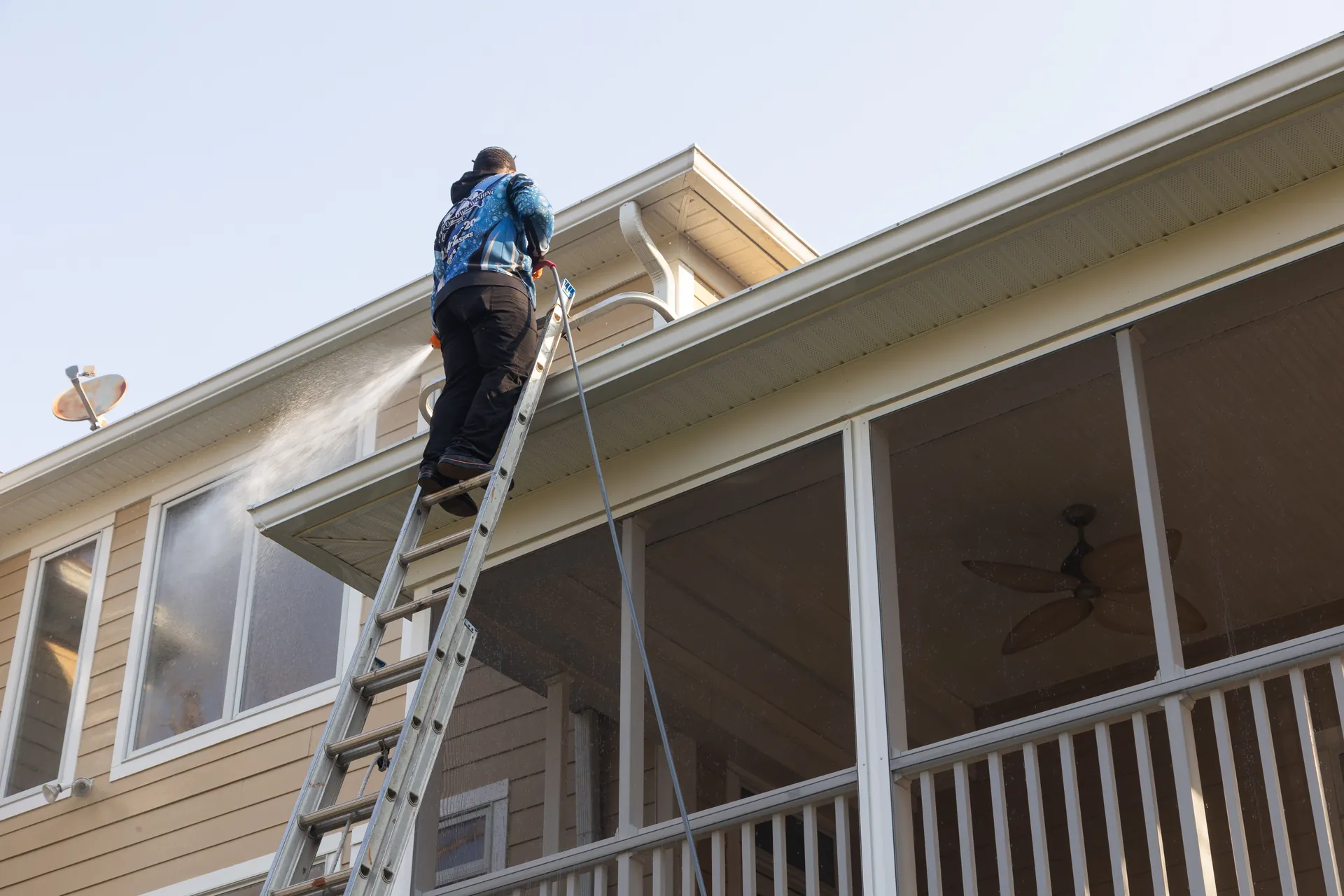
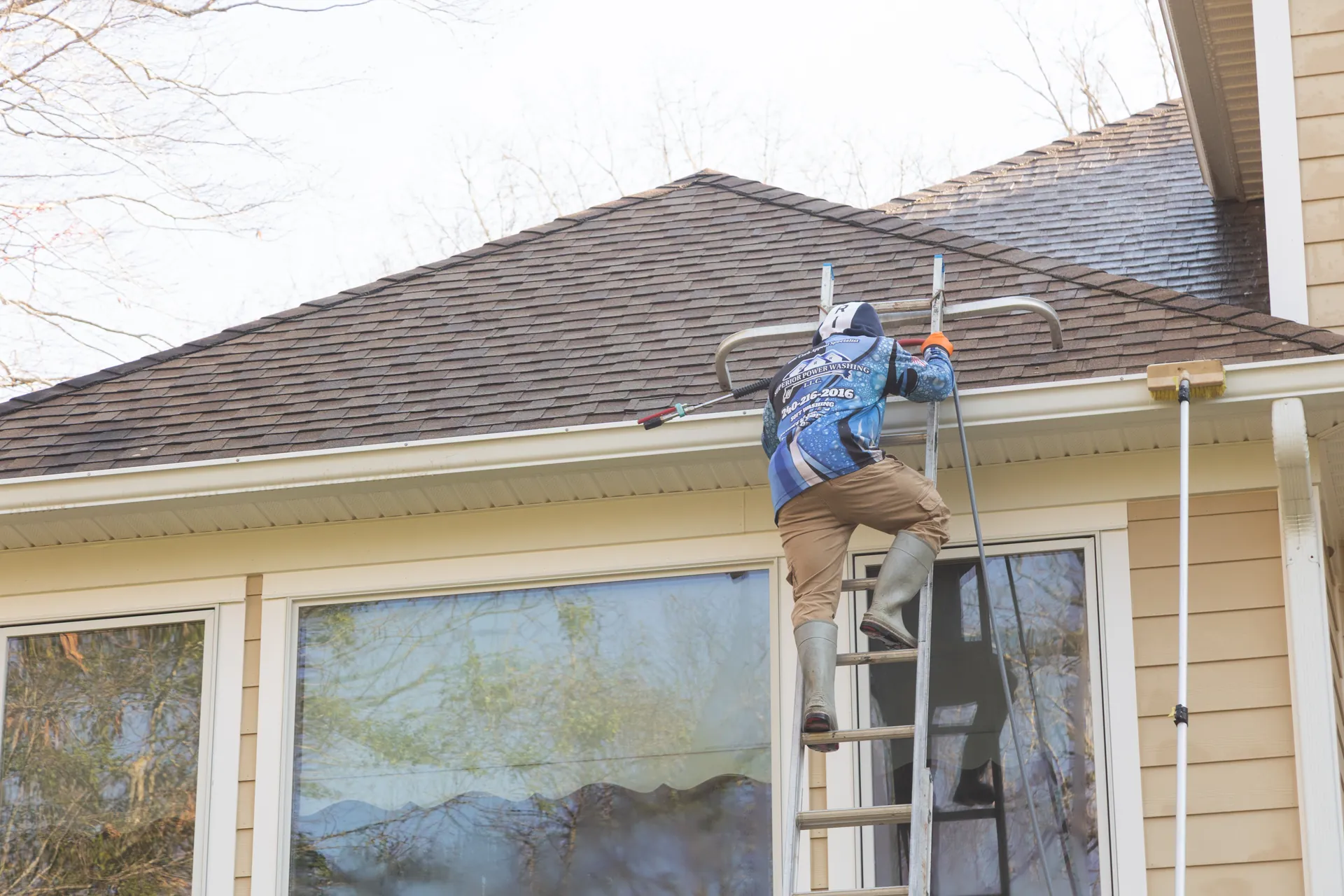
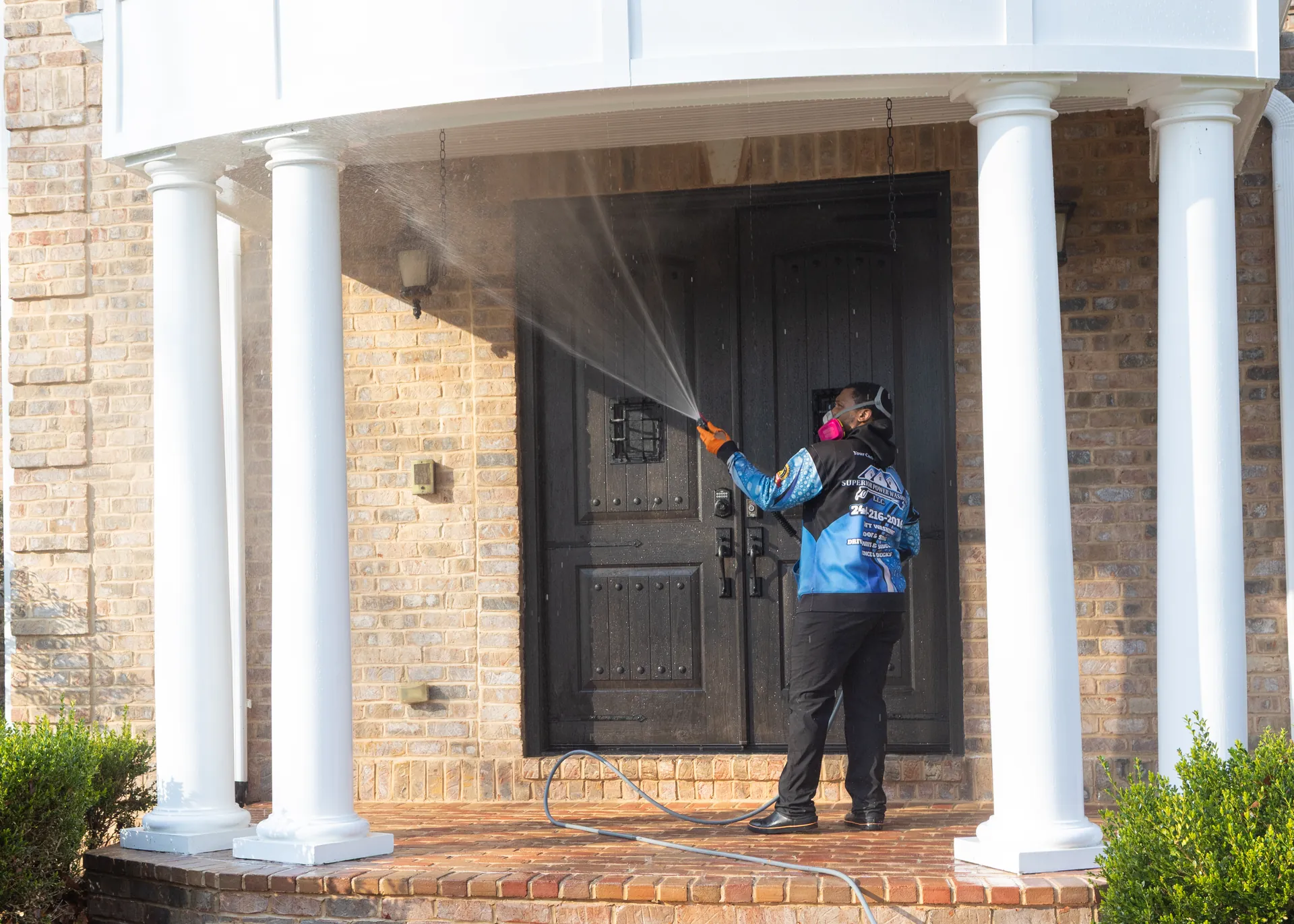
Exterior cleaning professionals such as Superior Power Washing frequently see how much brighter brick walls look after proper brick exterior cleaning removes moss buildup. Once the growth disappears, the masonry’s natural color returns, and the home regains a cleaner, more uniform appearance.
Why Moss Growth Accelerates Over Time
Moss rarely spreads rapidly at first. Early stages usually involve a thin layer of green growth along a small section of brick. As the colony develops, it begins trapping more moisture and organic debris, which helps the plant expand faster.
The thicker the moss layer becomes, the more water it holds against the wall. That additional moisture creates an environment where new spores can more easily establish themselves. Over time, the growth cycle speeds up as the moss creates conditions favorable to its growth.
Brick exterior cleaning interrupts that cycle by removing both the moss and the debris supporting it. Once the wall surface becomes clear and dry again, new spores have fewer opportunities to attach and spread. Regular cleaning helps keep small patches from developing into widespread growth across the brick.
FAQs
Why does moss grow on brick walls? Moss grows on brick because the surface retains moisture within its small pores. Shaded areas, damp conditions, and limited airflow allow moss spores to settle and begin growing. Once established, the moss spreads across the surface while trapping additional moisture against the brick.
Is moss on the brick just a cosmetic problem? Moss affects more than appearance because it holds moisture against the brick and mortar. Prolonged moisture exposure can weaken mortar joints and darken the masonry over time. Removing moss helps the brick dry properly after rain.
Can pressure washing remove moss safely from brick? Pressure washing can damage mortar joints and force water deeper into the masonry. High pressure may remove the visible moss, but it often harms the brick surface. Brick exterior cleaning using proper cleaning solutions removes moss without damaging the wall.
How often should brick walls be cleaned to prevent moss? Many homeowners benefit from periodic brick exterior cleaning when moss or algae begins appearing. Homes in shaded or damp environments may require more frequent cleaning because those conditions support faster moss growth. Removing buildup early prevents widespread growth across the brick.
What Happens When Moss Starts Growing On Brick Exterior Walls
You notice a little green patch creeping across the brick near the downspout, and at first it almost looks harmless. A few months later the same wall feels damp, the mortar looks darker, and that small patch has turned into a spreading carpet of moss that makes the whole side of the house look neglected.
Many homeowners assume moss growing on brick is just a cosmetic nuisance. The bigger problem is what that moss quietly holds against the wall day after day. Brick naturally absorbs moisture, and when moss traps water against the surface it can lead to discoloration, weakened mortar, and long term structural wear. Brick exterior cleaning becomes more important once moss appears because the growth rarely stays small once the right conditions allow it to spread.
Why Moss Loves Brick Walls More Than You Think
Brick creates an environment that moss finds surprisingly comfortable. The surface of brick and mortar contains tiny pores that hold moisture after rain or morning dew. Those pores provide exactly the damp conditions moss needs in order to grow. Once spores land on the wall, the plant can anchor itself inside those small surface spaces and begin spreading slowly outward.
Many homeowners first notice moss forming on shaded areas of the house. Walls that face north, areas behind landscaping, or sections beneath rooflines often stay damp longer than other parts of the exterior. Moss thrives in those locations because sunlight and airflow remain limited. Over time the green patches expand across the brick surface, gradually forming thicker growth that becomes more noticeable from the yard.
Brick exterior cleaning removes moss before the growth becomes deeply established. Cleaning also removes the organic debris and moisture residue that feed moss colonies. Once those materials disappear, the environment becomes far less inviting for new growth.
What Happens When Moss Stays On Brick Too Long
Many homeowners assume moss only affects how the wall looks. In reality the bigger issue involves moisture retention. Moss acts like a sponge that traps water against the surface of the brick. Every time rain falls or condensation forms, the moss absorbs the moisture and holds it against the wall for extended periods.
Brick and mortar absorb water naturally, but they also rely on evaporation to dry out. When moss covers the surface, evaporation slows dramatically. The trapped moisture gradually penetrates deeper into the masonry. Over time that process can darken the brick, weaken mortar joints, and create conditions where mold or mildew may develop along the wall.
Brick exterior cleaning removes the moss layer that traps moisture against the structure. Once the surface becomes clear again, the brick can dry normally after rain. Removing the growth also prevents moss roots from expanding further into the small crevices of the masonry.
Why Moss Keeps Returning In The Same Areas
Homeowners often notice moss appearing repeatedly in the same sections of the house. The pattern usually comes down to moisture and shade. Moss spores travel through the air constantly, but they only grow where conditions remain consistently damp.
Areas behind shrubs or trees frequently develop moss first because the vegetation blocks sunlight and reduces airflow. Downspout areas can also attract moss when small amounts of water regularly splash against the wall. Even narrow roof overhangs may create shaded zones where moisture lingers longer after rain.
Brick exterior cleaning removes the visible moss, but understanding why the growth appeared in the first place helps prevent future buildup. Trimming nearby branches, improving drainage, or allowing more sunlight to reach the wall often reduces the chances of moss returning quickly.
The Hidden Mortar Damage Many Homeowners Miss
When moss spreads across brick walls, the green patches often hide early changes happening in the mortar joints. Mortar contains softer materials than the brick itself, which makes it more vulnerable to constant moisture exposure.
As moss traps water along the wall, mortar joints remain damp longer than they should. That prolonged moisture gradually weakens the bonding materials holding the masonry together. Small cracks or crumbling sections may begin forming along the joints without homeowners noticing them right away.
Brick exterior cleaning removes moss so the condition of the mortar becomes visible again. Once the growth disappears, homeowners can see whether the mortar remains intact or if minor repairs might be necessary. Catching those early signs of wear prevents small problems from developing into larger masonry repairs later.
The Pressure Washing Shortcut That Can Damage Brick
When moss begins spreading across a brick wall, many homeowners immediately think about blasting it away with a pressure washer. While strong pressure might remove the visible growth quickly, that approach often creates new problems for the masonry.
High pressure can erode mortar joints and force water deep into the brick surface. Once water penetrates those materials, it may remain trapped inside the wall structure. Repeated exposure to pressure washing can also roughen the surface of the brick, making it easier for moss and algae to attach again in the future.
Brick exterior cleaning works best when performed with cleaning solutions designed to break down organic growth. Low pressure rinsing then removes the loosened moss without harming the masonry. That process eliminates the biological growth while protecting the integrity of the brick and mortar.
Why Moss Often Appears After Wet Seasons
Weather patterns influence how quickly moss develops on brick walls. Periods of frequent rain, cloudy conditions, or high humidity create ideal environments for moss growth. The longer moisture remains on exterior surfaces, the more opportunities moss spores have to establish themselves.
Homes located near wooded areas often experience faster moss growth because nearby trees provide both shade and organic debris. Falling leaves and pollen create additional nutrients that help moss colonies expand. When those materials collect along damp brick surfaces, the growth cycle accelerates.
Brick exterior cleaning removes the moss along with the organic residue feeding it. Clearing those materials away interrupts the conditions that support growth. After the wall dries and remains exposed to air circulation again, the environment becomes less suitable for moss development.
What Most Homeowners Get Wrong About Moss On Brick
One common misunderstanding involves assuming moss simply grows on top of the brick without affecting the structure beneath it. Moss actually attaches itself firmly to the surface through tiny root like structures that anchor into small crevices of the masonry.
Those attachments allow moss to stay in place even during rain or wind. As the growth thickens, it traps additional debris and moisture against the wall. Over time the buildup can create dark staining on the brick surface that becomes difficult to remove if left untreated for several years.
Brick exterior cleaning removes the moss before those stains develop deeply. Once the biological growth disappears, the brick regains its natural color and texture. Removing the moss early prevents the long term discoloration homeowners often notice when growth has remained on the wall for extended periods.
When Moss Starts Affecting The Whole Exterior Appearance
A small patch of moss may not seem like a major issue at first. Over time the green growth tends to expand outward across the brick surface. Once the moss spreads along mortar joints and across multiple bricks, the wall begins looking uneven and neglected.
Curb appeal changes quickly when moss becomes visible from the driveway or street. Darkened brick, green patches, and damp looking mortar can make an otherwise well maintained house appear older or poorly cared for. Many homeowners notice that once moss becomes visible in one area, similar patches begin appearing elsewhere around the exterior.
Exterior cleaning professionals such as Superior Power Washing frequently see how much brighter brick walls look after proper brick exterior cleaning removes moss buildup. Once the growth disappears, the natural color of the masonry returns and the home regains a cleaner, more uniform appearance.
Why Moss Growth Accelerates Over Time
Moss rarely spreads rapidly at first. Early stages usually involve a thin layer of green growth along a small section of brick. As the colony develops, it begins trapping more moisture and organic debris, which helps the plant expand faster.
The thicker the moss layer becomes, the more water it holds against the wall. That additional moisture creates an environment where new spores can establish themselves more easily. Over time the growth cycle speeds up as the moss creates its own favorable conditions.
Brick exterior cleaning interrupts that cycle by removing both the moss and the debris supporting it. Once the wall surface becomes clear and dry again, new spores have fewer opportunities to attach and spread. Regular cleaning helps keep small patches from developing into widespread growth across the brick.
FAQs
Why does moss grow on brick walls?
Moss grows on brick because the surface holds moisture inside small pores. Shaded areas, damp conditions, and limited airflow allow moss spores to settle and begin growing. Once established, the moss spreads across the surface while trapping additional moisture against the brick.
Is moss on brick just a cosmetic problem?
Moss affects more than appearance because it holds moisture against the brick and mortar. Prolonged moisture exposure can weaken mortar joints and darken the masonry over time. Removing moss helps the brick dry properly after rain.
Can pressure washing remove moss safely from brick?
Pressure washing can damage mortar joints and force water deeper into the masonry. High pressure may remove the visible moss but often harms the brick surface. Brick exterior cleaning using proper cleaning solutions removes moss without damaging the wall.
How often should brick walls be cleaned to prevent moss?
Many homeowners benefit from periodic brick exterior cleaning when moss or algae begins appearing. Homes in shaded or damp environments may require cleaning more frequently because those conditions support faster moss growth. Removing buildup early prevents widespread growth across the brick.