READY MAO 1717 Why Your Patio Still Looks Grimy After Washing
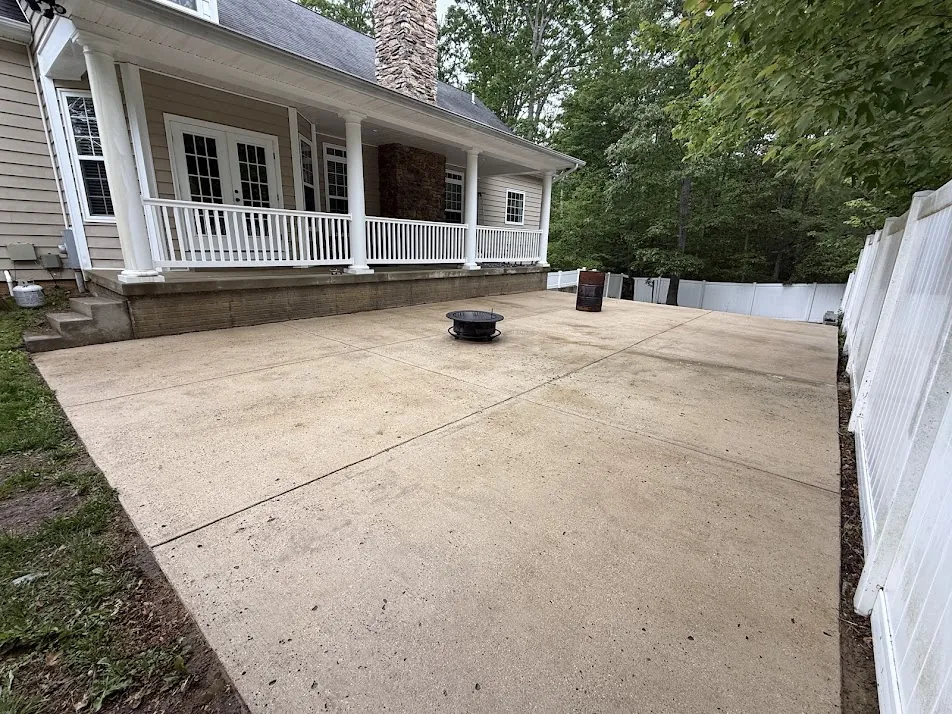
You rinse the patio, step back, and somehow it still looks dull and streaky. The furniture is back in place, the hose is rolled up, yet the concrete or stone still looks faded, as if the cleaning barely helped. Many homeowners notice the same frustrating moment after spending time outside trying to freshen up the space.
The patio might look slightly better while wet, but once it dries, the same gray film and uneven patches return. Suddenly, the outdoor space meant for relaxation feels neglected rather than inviting. That lingering dull look can make the entire backyard seem older, even when the rest of the home looks well-maintained.
The “Clean” Patio That Somehow Still Looks Dirty
One of the most common questions homeowners type into a search bar is simple: Why does my patio still look dirty after washing it? The answer usually has less to do with effort and more with how outdoor surfaces actually retain grime. Patio materials such as concrete, pavers, and natural stone collect layers of dirt that are not always visible at first glance.
Patio surfaces are extremely porous, which means they absorb more than people expect. Dirt, pollen, mildew, algae, and organic debris sink into the material’s microscopic pores. When the patio is rinsed with a hose or lightly sprayed, surface debris washes away, but the embedded buildup remains trapped beneath the top layer.
Patio pressure washing works differently because it focuses on lifting contaminants out of the pores of the material. The process reaches deeper into textured surfaces where grime collects over time. Without that deeper cleaning, the patio may appear slightly brighter while wet but quickly returns to its dull appearance once the surface dries.
Why Patio Surfaces Look Faded Instead Of Dirty
Many homeowners assume their patio looks faded because the material itself is aging. In reality, fading often comes from a thin film of buildup that alters how light reflects off the surface. The patio may still have its original color hidden beneath layers of dirt and organic residue.
Outdoor areas constantly collect dust, pollen, mildew spores, and airborne particles. Those materials settle into the tiny surface openings and create a dull gray tone over time. The buildup becomes especially noticeable in sunny areas, where the difference between clean and dirty sections is more pronounced.
Patio pressure washing removes the compacted layer that gradually forms throughout the year. Once the grime lifts from the surface, the material’s natural color becomes visible again. Many homeowners feel surprised when the patio suddenly looks brighter without any repairs or replacements.
Why Rinsing With A Hose Rarely Solves The Problem
A garden hose is usually the first tool homeowners grab when cleaning outdoor surfaces. Spraying the patio feels productive because water pushes leaves, dust, and loose debris away. The movement of water gives the impression that the surface is getting thoroughly cleaned. The problem is that the hose pressure cannot reach the dirt embedded inside the surface. Mud and pollen sitting on the patio rinse away easily, but mildew roots and algae spores remain in the pores. After the water evaporates, the same dull layer reappears.
Patio pressure washing uses stronger water pressure that penetrates deeper into textured materials. The targeted stream of water breaks apart the buildup hiding inside the surface. Once the grime lifts from the pores, rinsing removes it entirely rather than just pushing it around.
The Common Mistake Of Scrubbing The Surface Only
Some homeowners respond to stubborn patio grime by scrubbing harder. A stiff brush and household cleaner might seem like a stronger approach than spraying with a hose. The effort can remove surface stains temporarily and make the area appear cleaner while wet.
Scrubbing mostly affects the outer layer of dirt rather than the material underneath. Dirt particles move across the surface and settle in other areas of the patio. That redistribution makes the surface look uneven once the water dries.
Patio pressure washing removes debris from the surface rather than spreading it around. Water pressure and proper cleaning techniques push contaminants completely away from the patio. That deeper removal produces results that last much longer than manual scrubbing.
Why Mildew And Algae Keep Coming Back
Another question homeowners often ask is, “Why does my patio turn green again so quickly?” Organic growth is a major reason patios look dirty shortly after washing. Moisture trapped in shaded areas encourages algae and mildew to grow beneath the surface.
Patios located near landscaping, trees, or pool areas hold moisture longer than exposed surfaces. When spores settle into the material’s pores, they begin spreading quietly beneath the visible layer. The green tint appears gradually as colonies grow across the surface.
Patio pressure washing removes much of that organic growth from the material. The cleaning process lifts algae roots and mildew buildup that regular rinsing leaves behind. Once those organisms are removed, the patio stays cleaner for longer.
What Most Homeowners Get Wrong About Patio Cleaning
Many homeowners believe the patio simply needs to be rinsed more often. That assumption leads to frequent washing, yet it still produces disappointing results. The patio may appear cleaner for a short time, but it quickly returns to the same faded look.
The misunderstanding comes from treating patio grime like loose dust. Outdoor surfaces collect contaminants that bond with moisture and minerals in the material. Over time, those layers compress and become harder to remove with ordinary cleaning methods.
Patio pressure washing targets the buildup that forms below the surface. By removing the compacted layers completely, the patio regains its natural appearance. Once the deep grime is gone, routine maintenance becomes much easier.
Why Some Patios Look Patchy After Washing
Have you ever rinsed the patio and noticed random patches of darker or lighter color? Uneven cleaning is a common result when water pressure varies across the surface. Certain areas receive more attention while others remain untouched.
Textured surfaces also contribute to patchy results. Grooves and joints between pavers collect more dirt than flat areas. When rinsing only removes surface debris, the deeper sections continue holding grime.
Patio pressure washing produces a consistent cleaning pattern across the entire area. Each section receives the same level of pressure and attention. That uniform approach evenly removes buildup, so the patio returns to a balanced color.
How Furniture And Planters Create Hidden Stains
Patio furniture and planters often sit in the same place for months at a time. Moisture becomes trapped beneath those objects, especially after rain or watering plants. That damp environment encourages mildew and algae to grow quietly.
When furniture moves, homeowners sometimes notice dark rings or shadowy patches beneath it. The color difference appears dramatic because the surrounding patio has been exposed to sunlight and airflow. Those hidden spots can make the entire patio look uneven.
Patio pressure washing removes the organic residue that develops in those areas. Once the buildup lifts from the surface, the darker patches begin blending into the surrounding material. Cleaning restores a consistent appearance across the entire patio.
Why Outdoor Living Areas Show Dirt Faster
Outdoor living spaces collect more debris than other parts of the home. Patios sit close to the ground where soil, grass clippings, and landscaping debris accumulate. Wind constantly carries dust and pollen across the surface.
Foot traffic also contributes to spreading grime across the patio. Shoes track dirt, leaves, and moisture every time someone walks outside. Those materials gradually settle into the patio material’s pores.
Patio pressure washing removes the buildup created by everyday outdoor use. Clearing those compacted layers brightens the space. A cleaner surface also makes outdoor furniture and décor look better overall.
How Professional Cleaning Changes The Results
Professional cleaning companies, such as Superior Power Washing, approach patio pressure washing differently from typical homeowner attempts. Technicians adjust pressure levels and cleaning methods based on the type of surface being cleaned. Different materials require different techniques to avoid surface damage.
Concrete patios, stone surfaces, and pavers all respond differently to water pressure. Professional equipment allows deep cleaning while protecting the integrity of the surface. That balance produces better results than standard household equipment.
Homeowners often notice the improvement immediately after professional cleaning. The patio surface appears brighter and more uniform. Even older patios can look refreshed once years of buildup are removed properly.
When The Patio Finally Looks Like A Relaxing Space Again
After proper cleaning, many homeowners rediscover their patio’s original appearance. The surface reflects light more evenly, and the color looks clearer. That change often makes the entire outdoor area feel refreshed.
A clean patio transforms the backyard atmosphere. The furniture looks newer, and the landscaping stands out more clearly. The space becomes inviting again instead of feeling neglected.
Maintaining a clean patio helps preserve that inviting appearance throughout the year. Periodic cleaning prevents dirt from building up again. A bright patio surface makes outdoor gatherings and quiet evenings outside much more enjoyable.
FAQs
Why does my patio still look dirty after washing it? Patios often look dirty after washing because grime remains embedded in the surface. Hose rinsing removes loose debris but leaves contaminants trapped in the material’s pores. Once the surface dries, the remaining buildup becomes visible again.
How often should a patio be pressure-washed? Most patios benefit from pressure washing about once per year. Areas near trees, landscaping, or pools may require more frequent cleaning because moisture and organic debris accumulate faster. Regular cleaning prevents grime from becoming deeply embedded in the surface.
Can pressure washing damage patio surfaces? Improper pressure settings can damage delicate materials such as soft stone or decorative concrete. Professional cleaning adjusts water pressure and techniques based on the patio material. Using the correct method protects the surface while still removing stubborn buildup.
Why does algae grow on patios? Algae grows in damp environments where sunlight and moisture combine. Patios near landscaping or shaded areas retain moisture longer, which encourages algae to spread. Once spores settle into the surface pores, they continue growing until the area is thoroughly cleaned.
Does cleaning restore my patio’s original color? Yes, cleaning often reveals the original color hidden beneath layers of dirt and organic buildup. Many patios appear faded simply because grime has dulled the surface. Removing that buildup allows the material’s natural tone to become visible again.
Why Your Patio Still Looks Grimy After Washing
You rinse the patio, step back, and somehow it still looks dull and streaky. The furniture is back in place, the hose is rolled up, yet the concrete or stone still looks faded like the cleaning barely helped. Many homeowners notice the same frustrating moment after spending time outside trying to freshen up the space.
The patio might look slightly better while wet, but once it dries the same gray film and uneven patches return. Suddenly the outdoor space meant for relaxing feels neglected instead of inviting. That lingering dull look can make the entire backyard seem older even when the rest of the home looks well maintained.
The “Clean” Patio That Somehow Still Looks Dirty
One of the most common questions homeowners type into a search bar is simple: why does my patio still look dirty after washing it? The answer usually has less to do with effort and more to do with how outdoor surfaces actually hold grime. Patio materials such as concrete, pavers, and natural stone collect layers of dirt that are not always visible at first glance.
Patio surfaces are extremely porous, which means they absorb more than people expect. Dirt, pollen, mildew, algae, and organic debris sink into microscopic openings in the material. When the patio is rinsed with a hose or lightly sprayed, the surface debris moves away but the embedded buildup stays trapped below the top layer.
Patio pressure washing works differently because it focuses on lifting contaminants out of the pores of the material. The process reaches deeper into textured surfaces where grime collects over time. Without that deeper cleaning, the patio may appear slightly brighter while wet but quickly returns to its dull appearance once the surface dries.
Why Patio Surfaces Look Faded Instead Of Dirty
Many homeowners assume their patio looks faded because the material itself is aging. In reality, fading often comes from a thin film of buildup that changes the way light reflects off the surface. The patio may still have its original color hidden beneath layers of dirt and organic residue.
Outdoor areas constantly collect dust, pollen, mildew spores, and airborne particles. Those materials settle into the tiny openings of the surface and create a dull gray tone over time. The buildup becomes especially noticeable in sunny areas where the difference between clean and dirty sections stands out more clearly.
Patio pressure washing removes that compacted layer that forms gradually throughout the year. Once the grime lifts from the surface, the natural color of the material becomes visible again. Many homeowners feel surprised when the patio suddenly looks brighter without any repairs or replacements.
Why Rinsing With A Hose Rarely Solves The Problem
A garden hose is usually the first tool homeowners grab when cleaning outdoor surfaces. Spraying the patio feels productive because water pushes leaves, dust, and loose debris away. The movement of water gives the impression that the surface is getting thoroughly cleaned.
The problem is that hose pressure cannot reach the dirt embedded inside the surface. Mud and pollen sitting on top of the patio rinse away easily, but mildew roots and algae spores remain inside the pores. After the water evaporates, the same dull layer becomes visible again.
Patio pressure washing uses stronger water pressure that penetrates deeper into textured materials. The targeted stream of water breaks apart buildup hiding inside the surface. Once the grime lifts from the pores, rinsing removes it entirely rather than just pushing it around.
The Common Mistake Of Scrubbing The Surface Only
Some homeowners respond to stubborn patio grime by scrubbing harder. A stiff brush and household cleaner might seem like a stronger approach than spraying with a hose. The effort can remove surface stains temporarily and make the area appear cleaner while wet.
Scrubbing mostly affects the outer layer of dirt rather than the material underneath. Dirt particles move across the surface and settle in other areas of the patio. That redistribution makes the surface look uneven once the water dries.
Patio pressure washing lifts debris out of the surface rather than spreading it around. Water pressure and proper cleaning techniques push contaminants away from the patio completely. That deeper removal produces results that last much longer than manual scrubbing.
Why Mildew And Algae Keep Coming Back
Another question homeowners often ask is why does my patio turn green again so quickly? Organic growth is a major reason patios look dirty shortly after washing. Moisture trapped in shaded areas encourages algae and mildew to grow beneath the surface.
Patios located near landscaping, trees, or pool areas hold moisture longer than exposed surfaces. When spores settle into the pores of the material, they begin spreading quietly beneath the visible layer. The green tint appears gradually as colonies grow across the surface.
Patio pressure washing removes much of that organic growth from the material. The cleaning process lifts algae roots and mildew buildup that regular rinsing leaves behind. Once those organisms are removed, the patio stays cleaner for a longer period.
What Most Homeowners Get Wrong About Patio Cleaning
Many homeowners believe the patio simply needs to be rinsed more often. That assumption leads to frequent washing that still produces disappointing results. The patio may appear cleaner for a short time but quickly returns to the same faded look.
The misunderstanding comes from treating patio grime like loose dust. Outdoor surfaces collect contaminants that bond with moisture and minerals in the material. Over time those layers compress and become harder to remove with ordinary cleaning methods.
Patio pressure washing targets the buildup that forms below the surface. By removing the compacted layers completely, the patio regains its natural appearance. Once the deep grime is gone, routine maintenance becomes much easier.
Why Some Patios Look Patchy After Washing
Have you ever rinsed the patio and noticed random patches of darker or lighter color? Uneven cleaning is a common result when water pressure varies across the surface. Certain areas receive more attention while others remain untouched.
Textured surfaces also contribute to patchy results. Grooves and joints between pavers collect more dirt than flat areas. When rinsing only removes surface debris, the deeper sections continue holding grime.
Patio pressure washing produces a consistent cleaning pattern across the entire area. Each section receives the same level of pressure and attention. That uniform approach removes buildup evenly so the patio returns to a balanced color.
How Furniture And Planters Create Hidden Stains
Patio furniture and planters often sit in the same place for months at a time. Moisture becomes trapped beneath those objects, especially after rain or watering plants. That damp environment encourages mildew and algae to grow quietly.
When the furniture moves, homeowners sometimes notice dark rings or shadowy patches underneath. The difference in color appears dramatic because the surrounding patio has been exposed to sunlight and airflow. Those hidden spots can make the entire patio look uneven.
Patio pressure washing removes the organic residue that develops in those areas. Once the buildup lifts from the surface, the darker patches begin blending into the surrounding material. Cleaning restores a consistent appearance across the entire patio.
Why Outdoor Living Areas Show Dirt Faster
Outdoor living spaces collect more debris than other parts of the home. Patios sit close to the ground where soil, grass clippings, and landscaping debris accumulate. Wind constantly carries dust and pollen across the surface as well.
Foot traffic also plays a role in spreading grime across the patio. Shoes track dirt, leaves, and moisture every time someone walks outside. Those materials gradually settle into the pores of the patio material.
Patio pressure washing removes the buildup created by everyday outdoor use. Clearing those compacted layers brightens the appearance of the space. A cleaner surface also makes outdoor furniture and décor look better overall.
How Professional Cleaning Changes The Results
Professional cleaning companies such as Superior Power Washing approach patio pressure washing differently from typical homeowner attempts. Technicians adjust pressure levels and cleaning methods based on the type of surface being cleaned. Different materials require different techniques to avoid surface damage.
Concrete patios, stone surfaces, and pavers all respond differently to water pressure. Professional equipment allows cleaning to reach deep contaminants while protecting the integrity of the surface. That balance produces better results than standard household equipment.
Homeowners often notice the improvement immediately after professional cleaning. The patio surface appears brighter and more uniform. Even older patios can look refreshed once years of buildup are removed properly.
When The Patio Finally Looks Like A Relaxing Space Again
After proper cleaning, many homeowners rediscover the original appearance of their patio. The surface reflects light more evenly and the color looks clearer. That change often makes the entire outdoor area feel refreshed.
A clean patio transforms the atmosphere of the backyard. Furniture looks newer and landscaping stands out more clearly. The space becomes inviting again instead of feeling neglected.
Maintaining a clean patio helps preserve that inviting appearance throughout the year. Periodic cleaning prevents dirt from building up again. A bright patio surface makes outdoor gatherings and quiet evenings outside much more enjoyable.
FAQs
Why does my patio still look dirty after washing it?
Patios often look dirty after washing because grime remains embedded in the surface. Hose rinsing removes loose debris but leaves contaminants trapped in the pores of the material. Once the surface dries, the remaining buildup becomes visible again.
How often should a patio be pressure washed?
Most patios benefit from pressure washing about once per year. Areas near trees, landscaping, or pools may require more frequent cleaning because moisture and organic debris accumulate faster. Regular cleaning prevents grime from becoming deeply embedded in the surface.
Can pressure washing damage patio surfaces?
Improper pressure settings can damage delicate materials such as soft stone or decorative concrete. Professional cleaning adjusts water pressure and techniques based on the patio material. Using the correct method protects the surface while still removing stubborn buildup.
Why does algae grow on patios?
Algae grows in damp environments where sunlight and moisture combine. Patios near landscaping or shaded areas retain moisture longer, which encourages algae to spread. Once spores settle into the pores of the surface, they continue growing until the area is thoroughly cleaned.
Does cleaning restore the original color of my patio?
Yes, cleaning often reveals the original color hidden beneath layers of dirt and organic buildup. Many patios appear faded simply because grime has dulled the surface. Removing that buildup allows the natural tone of the material to become visible again.